Team Chemistry: What Makes an NBA Roster a Championship Team?
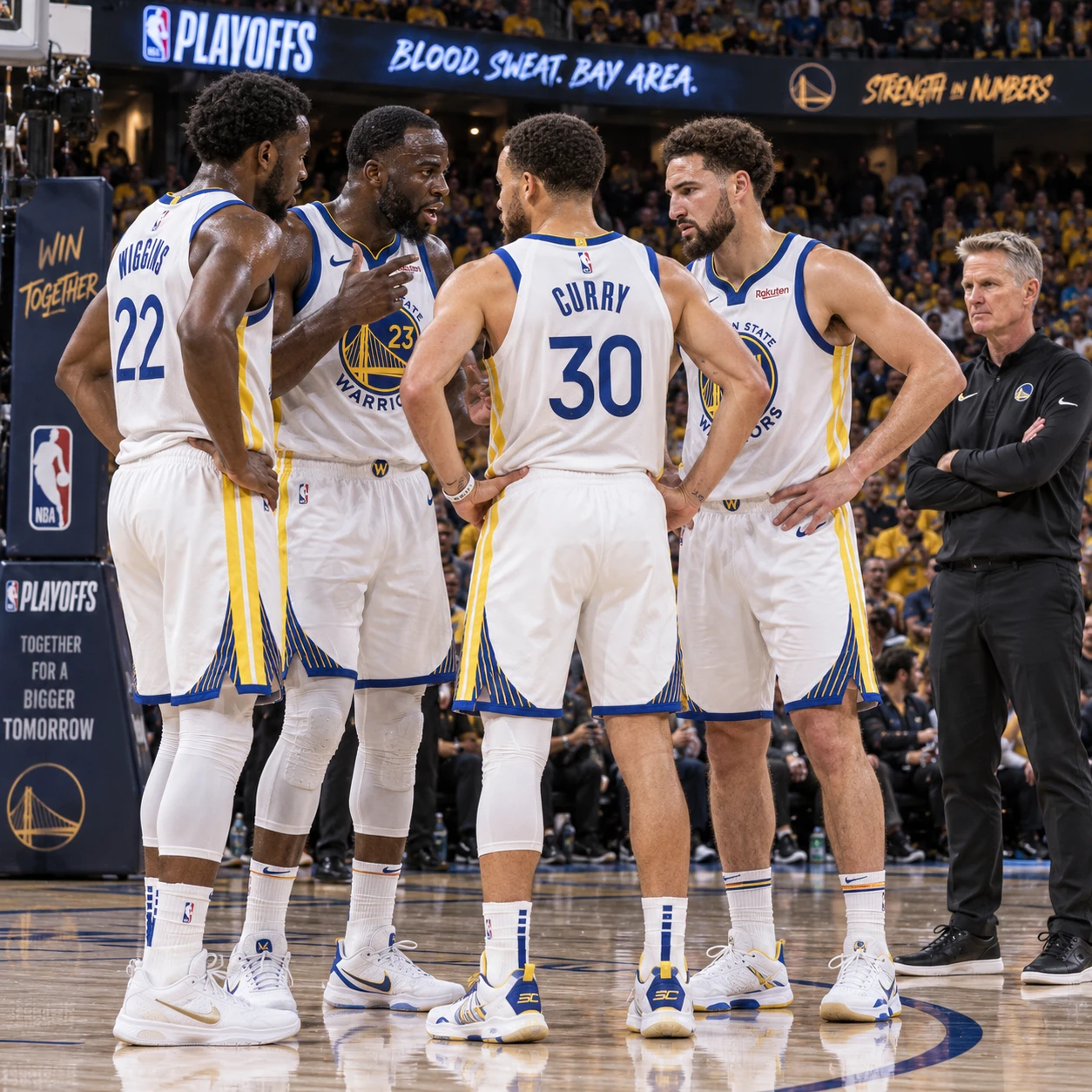
NBA team chemistry is often used to explain why a talented roster clicks—or why one falls short. But championship chemistry is more than friendship or a lively locker room. It is the shared understanding that helps players make connected decisions, accept defined roles, and stay accountable when a season gets difficult.
That cohesion can turn a good lineup into a harder team to scout and beat. It cannot guarantee a title, and it cannot cover every flaw. Skill, health, coaching, and roster depth still matter. Chemistry gives those pieces a better chance to work together.
What team chemistry means in the NBA
NBA team chemistry is the observable coordination and shared commitment that help players make effective decisions together. It shows up in how a team communicates, responds to mistakes, and carries out its plan—not simply in whether teammates socialize off the court.
On offense, chemistry can mean a guard recognizing a big’s screen angle, a shooter relocating as a defender helps, or a star trusting a teammate to take an open shot. On defense, it can mean calling out a switch early, covering for a teammate who gets beaten, and rotating again when the first help defender leaves his assignment.
These habits are visible in game film. A team with good chemistry often reaches the right spots sooner and needs fewer gestures to coordinate. That does not mean every possession looks smooth. The useful question is what happens after a breakdown: do players communicate and recover, or point fingers and lose the next assignment?
Professional trust can exist without close friendship. Teammates may have different personalities and still share a clear standard for preparation, effort, and decision-making. In that sense, chemistry is less a mood than a working relationship built through repeated basketball actions.
Clear roles make talent fit together
Role clarity helps an NBA roster combine different talents by making responsibilities clear and valued. Stars, starters, and bench players can contribute without all competing to control the same possessions or perform the same job.
A team needs to know who initiates late-clock offense, who spaces the floor, who guards the toughest perimeter assignment, and who provides rim protection. The answers may change by matchup, but players need a shared understanding of the default plan. When a star knows when to create and when to move the ball, supporting players can cut, screen, and shoot with more confidence.
Role clarity matters just as much for the second unit. A reserve may not close games, yet still set the defensive tone, organize bench offense, or provide a specific matchup skill. If the player understands what earns minutes, the role can feel purposeful rather than like a demotion.
Clarity is not the same as rigidity. Coaches may need to change a rotation, and a player’s responsibilities may expand after an injury or a strong stretch of play. The goal is to explain the change and connect it to team needs. Star-player fit also matters: two high-level scorers can complement each other, but only if they can share possessions, defend their assignments, and accept stretches without the ball.
Communication and trust show up on the court
Trust and accountability help teammates act quickly because each player expects others to follow through. In NBA games, that trust shows up in defensive rotations, passing decisions, and how players respond when someone misses an assignment.
Consider a pick-and-roll possession. The on-ball defender might call the screen, the big might show or drop, and a weak-side defender may need to tag the roller before recovering to a shooter. If those calls come late—or if a player doubts that help is coming—the defense can give up an open shot or a clear path to the rim. Reliable communication makes a complex sequence easier to execute at game speed.
Trust also shapes offense. A player who believes a teammate will make the next pass can give up a contested look and keep the possession moving. That does not mean passing up every difficult shot. It means recognizing the difference between a good team decision and a forced attempt.
Accountability keeps trust from becoming blind confidence. Teammates can challenge a missed rotation or careless possession without making the feedback personal. The standard is specific: name the coverage, review the decision, and be ready for the next play. On-court communication becomes most valuable when it is concise, timely, and tied to action.
Leadership sets the standard
Player leadership and the coaching staff set a team’s daily standards through preparation, clear feedback, and consistent example. Leadership is shared work: a head coach shapes the plan, while players reinforce it in practices, film sessions, and games.
A veteran can lead without giving speeches. Arriving prepared, competing through a difficult drill, and taking responsibility after a poor performance all show younger teammates what the team expects. A star’s example carries particular weight because teammates notice whether the player accepts the same rules as everyone else.
Coaches influence chemistry through lineup choices and communication. If a player’s role changes, a direct explanation can prevent uncertainty from turning into resentment. Coaches also need to listen: feedback from players may reveal that a defensive coverage is confusing or that a lineup lacks enough ball-handling.
Leadership is not the same as avoiding conflict. A team can disagree about a possession or a rotation and still remain connected, provided the discussion leads to clarity and improvement. The risk comes when expectations shift from player to player or criticism becomes personal. Consistency matters more than a polished locker-room speech.
Chemistry is tested over a long season
NBA chemistry is tested by injuries, lineup changes, losing stretches, and new additions across an 82-game season. Cohesion develops through repetition, but a team also needs ways to adapt when the lineup it practiced with is unavailable.
Injuries can force players into unfamiliar responsibilities. A reserve may suddenly handle the ball more often, or a wing may have to defend bigger opponents. A useful team response is to simplify the immediate assignment: define who initiates, which coverages remain in place, and where help should come from. Clear communication matters even more when the usual lineup patterns disappear.
New players create another adjustment. They must learn terminology, timing, and the team’s standards, while returning players need to make room for different strengths. Coaches can speed the process by focusing on a few priority actions rather than expecting instant mastery of every set.
Losing stretches test trust in a different way. Players may press, question their roles, or look for a single explanation for several problems. A better response is to diagnose specific issues—shot quality, transition defense, turnovers, or poor matchup coverage—and address them one at a time. Chemistry is not a shield against losing; it is a resource for responding to it.
Why chemistry matters most in the playoffs
Playoff chemistry matters because opponents target weaknesses, possessions become more deliberate, and teams have less time to recover from communication errors. Familiarity can help players execute under pressure, while adaptability lets them respond when an opponent changes the matchup.
In a playoff series, teams see the same actions repeatedly. A defense may switch more screens, crowd a star’s preferred driving lane, or make a less familiar shooter prove he can punish a rotation. Teammates who trust one another can adjust: the star passes out of a trap, the next player attacks the closeout, and another moves into space for the follow-up pass.
Bench cohesion matters too, even when the rotation tightens. Reserves need to preserve energy, maintain defensive communication, and be ready if a starter gets into foul trouble or a matchup changes. A bench player who understands the team’s principles can contribute without needing a complete redesign of the game plan.
Still, chemistry cannot replace talent, health, coaching, or depth. A connected team may execute well and remain outmatched by a roster with stronger shot creation or better defensive personnel. Chemistry raises the value of the players available; it does not erase the limits of the roster. The championship question is whether the group can combine its skill with dependable decisions when the opponent is trying to take those decisions away.
Frequently asked questions
Team chemistry helps explain how players work together, but it is only one part of building an NBA contender. These answers separate practical cohesion from common myths about friendship and talent.
Is team chemistry more important than talent in the NBA?
No. Talent gives a team the skills and scoring ability needed to compete, while chemistry helps players use those skills together. A strong relationship cannot reliably compensate for major gaps in shot creation, defense, health, or depth.
Can a team build chemistry during the season?
Yes. Teams build chemistry through repeated practice, shared game experience, clear coaching, and honest feedback. It can take time, especially when injuries or trades change the lineup, but teams can establish basic communication and role expectations before every player feels fully settled.
How does role clarity affect playoff performance?
Role clarity helps players make quicker decisions when opponents pressure the ball or disrupt a team’s first option. Players who know when to shoot, pass, cut, or defend can respond without waiting for every instruction to come from a star or coach.
Does strong chemistry mean teammates have to be friends?
No. Friendship can make a team’s daily environment more enjoyable, but professional chemistry depends on respect, communication, shared standards, and trust in teammates’ basketball decisions. Players can work well together without sharing their personal lives.